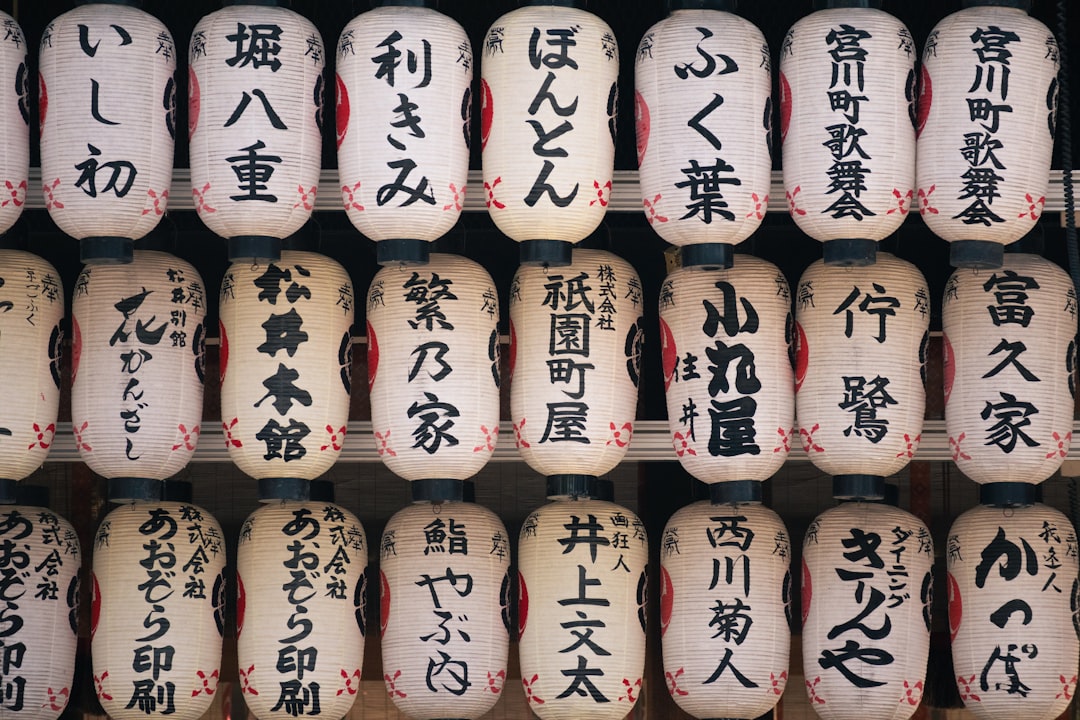
In Japan, mastering essential phrases can make a world of difference in your personal and professional life. From greetings to apologies, these phrases will help you navigate everyday situations with confidence and build stronger relationships with your Japanese colleagues and friends.
I’ll never forget the story of Tuan from Hanoi, who looked puzzled when my boss greeted him with the phrase ” (Ogenki desu ka? / How are you?) on his first day. He didn’t understand the cultural context behind this simple yet essential phrase, and it wasn’t until I explained it to him that he grasped its importance.
As someone who’s lived in Japan for a while, I’ve seen many foreigners struggle with everyday Japanese phrases that natives use without a second thought. But it’s not just about learning the phrases themselves – it’s about understanding the cultural context behind each one.
Key Phrases at a Glance
Here are 10 essential phrases to get you started:
- ” (Sumimasen / Excuse me)
- ” (Arigatou / Thank you)
- ” (Gomen nasai / Sorry)
- ” (Oishii desu / It’s delicious)
These phrases may seem simple, but they’re crucial in building a strong foundation for communication in Japan.
Why These Phrases Matter
Not knowing these essential phrases can lead to misunderstandings, unintentionally offending someone, or missing out on important opportunities. For example, when Priya from India didn’t understand ” (Hai, wakarimashita / Yes, I understand), she kept asking her boss to repeat the instructions, which made her appear unprofessional. On the other hand, when Ramon from the Philippines used ” (Douzou / Thank you for your help) correctly, his colleagues were impressed by his politeness and willingness to learn.
The Phrases
Here are 10 essential phrases organized by situation:
- ” (Ohayou gozaimasu / Good morning) – Literal meaning: ‘good morning’, Actual meaning: a polite greeting used in the morning.
- ” (Konnichiwa / Hello) – Literal meaning: ‘today’, Actual meaning: a common greeting used during the day.
- ” (Sumimasen / Excuse me) – Literal meaning: ‘it’s a bother’, Actual meaning: used to get someone’s attention or apologize.
- ” (Gomen nasai / Sorry) – Literal meaning: ‘sorry’, Actual meaning: used to apologize for a mistake or inconvenience.
- ” (Arigatou / Thank you) – Literal meaning: ‘thank you’, Actual meaning: used to express gratitude.
- ” (Oishii desu / It’s delicious) – Literal meaning: ‘it’s delicious’, Actual meaning: used to compliment someone’s cooking.
- ” (Hai, wakarimashita / Yes, I understand) – Literal meaning: ‘yes, I understand’, Actual meaning: used to confirm understanding.
- ” (Douzou / Thank you for your help) – Literal meaning: ‘thank you for your help’, Actual meaning: used to express gratitude for someone’s assistance.
- ” (Ogenki desu ka? / How are you?) – Literal meaning: ‘how are you?’, Actual meaning: a common greeting used to ask about someone’s well-being.
- ” (Muzukashii desu / It’s difficult) – Literal meaning: ‘it’s difficult’, Actual meaning: used to express that something is challenging.
Frequently Asked Questions
Q: How can I learn these phrases quickly?
A: The best way to learn these phrases is to practice them in context. Try using them in your daily conversations, and don’t be afraid to make mistakes. You can also listen to native speakers and try to mimic their pronunciation.
Q: What if I forget a phrase or use it incorrectly?
A: Don’t worry, it’s okay to make mistakes. The most important thing is to try your best and be willing to learn. If you forget a phrase or use it incorrectly, you can always ask for clarification or apologize and try again.
Q: Can I use these phrases in formal situations?
A: Yes, many of these phrases can be used in formal situations, but it’s always best to use polite language and consider the context. For example, ” (Ohayou gozaimasu / Good morning) is a polite greeting that can be used in formal situations, while ” (Konnichiwa / Hello) is more casual.
Bonus Phrases
Here are a few bonus phrases that will genuinely surprise and delight Japanese people when used correctly:
- ” (Yoroshiku onegaishimasu / Please take care of me) – Literal meaning: ‘please take care of me’, Actual meaning: used to express gratitude and respect.
- ” (Itadakimasu / I will eat) – Literal meaning: ‘I will eat’, Actual meaning: used to express gratitude before eating.
- ” (Gochisousama deshita / Thank you for the meal) – Literal meaning: ‘thank you for the meal’, Actual meaning: used to express gratitude after eating.
I share 10 new phrases every week with my paid subscribers, and I’d love for you to join us. Learn the phrases that actually matter at work, and start building stronger relationships with your Japanese colleagues and friends.
📖 Want to learn Japanese faster — with phrases that actually matter at work?
Paid subscribers get every week:
- 10 new phrases used by real foreign workers in Japan right now
- Audio-style breakdowns — pronunciation tips written for Asian learners
- Workplace scripts: how to handle your boss, HR, and difficult conversations
- My personal replies to your questions every Friday
Less than a cup of coffee per week. Start learning smarter →
As a subscriber, you’ll get access to more exclusive content, including: my personal stories of living in Japan, behind-the-scenes looks at creating content, and even my favorite Japanese snacks (yes, really!).










コメント