投稿者: tacky_media

  • Unlocking Lucrative Opportunities: Nursing Care Worker Jobs in Japan

    Introduction to the Lucrative World of Nursing Care in Japan

    Are you surprised to know that Nursing Care (Kaigo) Workers in Japan can earn up to ¥400,000 per month, which is equivalent to $2,520 USD, Rp 53,440,000 IDR, or ₹196,944 INR? This is significantly higher than what many nursing care workers earn in other countries. With an aging population and a shortage of caregivers, Japan is facing a huge demand for skilled and compassionate nursing care workers. In this article, we will delve into the job market for Nursing Care Workers in Japan, exploring the current state of job openings, salary ranges, required skills, and the steps you can take to secure a job in this field.

    Market Overview: The State of Nursing Care Jobs in Japan

    As of now, there are approximately 20,000 to 30,000 job openings for nursing care workers across Japan, with the highest demand in urban areas such as Tokyo, Osaka, and Nagoya. The Japanese government has introduced various initiatives to attract more foreign workers to the country, including the Specified Skilled Worker visa, which has made it easier for international candidates to apply for nursing care jobs. The market is expected to grow steadily over the next few years, with an increasing need for skilled caregivers to support Japan’s aging population.

    Salary Breakdown: What You Can Expect to Earn

    The salary for nursing care workers in Japan varies depending on experience and qualifications. Here is a breakdown of the average salary ranges for nursing care workers in Japan:
    – Entry-level (0-2 years of experience): ¥280,000 – ¥320,000 per month, which is equivalent to $1,764 – $2,016 USD, Rp 37,248,000 – Rp 42,912,000 IDR, or ₹131,069 – ₹149,521 INR.
    – Mid-level (2-5 years of experience): ¥320,000 – ¥380,000 per month, which is equivalent to $2,016 – $2,400 USD, Rp 42,912,000 – Rp 50,976,000 IDR, or ₹149,521 – ₹178,736 INR.
    – Senior-level (5+ years of experience): ¥380,000 – ¥400,000 per month, which is equivalent to $2,400 – $2,520 USD, Rp 50,976,000 – Rp 53,440,000 IDR, or ₹178,736 – ₹196,944 INR.

    Requirements: What You Need to Get Hired

    To work as a nursing care worker in Japan, you will typically need:
    – A Japanese language level of N2 or higher, although some employers may accept N3 or lower depending on the role and location.
    – A certificate in nursing care or a related field, such as caregiving or social work.
    – A visa that allows you to work in Japan, such as the Specified Skilled Worker visa or the Engineer visa.
    – Previous experience in nursing care or a related field is often preferred, but not always required.

    Types of Companies Hiring: Your Future Employer

    Nursing care workers can find employment in a variety of settings, including:
    – Large corporations that specialize in elderly care
    – Startups that offer home care services
    – Hospitals and healthcare facilities
    – Government-funded institutions

    How to Get Hired: A Step-by-Step Guide

    If you’re interested in working as a nursing care worker in Japan, here’s a step-by-step guide to help you get hired:
    1. **Meet the basic requirements**: Ensure you have the necessary qualifications, language skills, and experience.
    2. **Choose the right visa**: Research and apply for the correct visa that allows you to work in Japan.
    3. **Update your resume and online profiles**: Tailor your resume and online profiles (e.g., LinkedIn) to showcase your relevant skills and experience.
    4. **Network and make connections**: Attend job fairs, join online communities, and connect with people in your industry to learn about job opportunities.
    5. **Apply for jobs**: Look for job openings on websites, job boards, and company websites, and apply with your updated resume and a cover letter.
    6. **Prepare for interviews**: Research the company, practice your Japanese language skills, and prepare to talk about your experience and qualifications.

    For Indonesian and Indian workers, you can find these jobs through:
    – Online job boards, such as GaijinPot or Japan Times
    – Recruitment agencies that specialize in placing international candidates in Japanese companies
    – Social media groups and online forums for international workers in Japan

    Real Talk: Challenges and How to Overcome Them

    While working as a nursing care worker in Japan can be a rewarding and lucrative career, there are also challenges to consider:
    – **Language barriers**: Japanese language skills are essential for success in this role. Consider taking language classes or using online resources to improve your skills.
    – **Cultural differences**: Japan has a unique culture and way of working. Be open-minded, flexible, and willing to learn and adapt.
    – **Homesickness**: Living and working in a foreign country can be difficult. Make sure to stay connected with family and friends back home, and find ways to cope with homesickness, such as joining expat communities or practicing self-care.

    Conclusion and Next Steps

    Working as a nursing care worker in Japan can be a fantastic opportunity for those who are passionate about caregiving and want to experience a new culture. With the right skills, qualifications, and mindset, you can succeed in this field and earn a competitive salary. If you’re interested in learning more about the job market in Japan, including nursing care and other industries, subscribe to our weekly newsletter for the latest updates and job openings. Whether you’re just starting your job search or are looking to take the next step in your career, we’re here to support you every step of the way.
  • Unlocking Japan: A Digital Nomad’s Journey

    Unlocking Japan: A Digital Nomad’s Journey

    As I sit in a Tokyo café, sipping on a warm cup of matcha, I’m filled with a sense of wonder. What does it take for a foreigner to call Japan home? For digital nomads, the Japan visa process can be daunting, but with the right guidance, Japan can become your new workspace.

    Finding Your Way

    Life in Japan as a remote worker can be an adventure, but it’s essential to be aware of the realities. The Japan long stay visa is a great option for digital nomads, but the application process is complex. I know firsthand how overwhelming it can be. From navigating the Japan visa system to finding the right health insurance, there are many things to consider.

    When applying for my Japan visa, I struggled with gathering all the necessary documents. It requires a lot of paperwork, including proof of income, a valid passport, and a certificate of eligibility. Be meticulous and thorough with your application, as any mistakes can lead to delays or rejection.

    Embracing the Culture

    Imagine waking up every morning in a cozy Tokyo apartment, surrounded by the vibrant sounds and smells of the city. You spend your days working on your laptop in a trendy café, surrounded by like-minded individuals who share your passion for creativity and innovation. As the sun sets, you take a stroll along the Sumida River, watching the Tokyo skyline come alive with colors.

    As I explored Japan, I discovered hidden gems that made my heart skip a beat. From the tranquil gardens of the Meiji Shrine to the bustling streets of Shibuya, every experience was a sensory delight. But living in Japan as a foreigner requires more than just enjoying the culture – you need to understand it. Learn a few basic Japanese phrases, participate in local events, and make an effort to integrate into the community.

    Building Connections

    As a digital nomad, building a network of like-minded individuals is crucial. Join online communities and attend events specifically designed for digital nomads. You’ll find valuable collaborations, new friendships, and a deeper understanding of the Japan visa process.

    Join Our Community

    If you’re considering making the move to Japan, I invite you to join our community of like-minded individuals. By subscribing to our newsletter, you’ll gain access to exclusive insights, tips, and stories from those who have already made the journey. We’re here to support you every step of the way. Join us, and let’s uncover the secrets of Japan together.
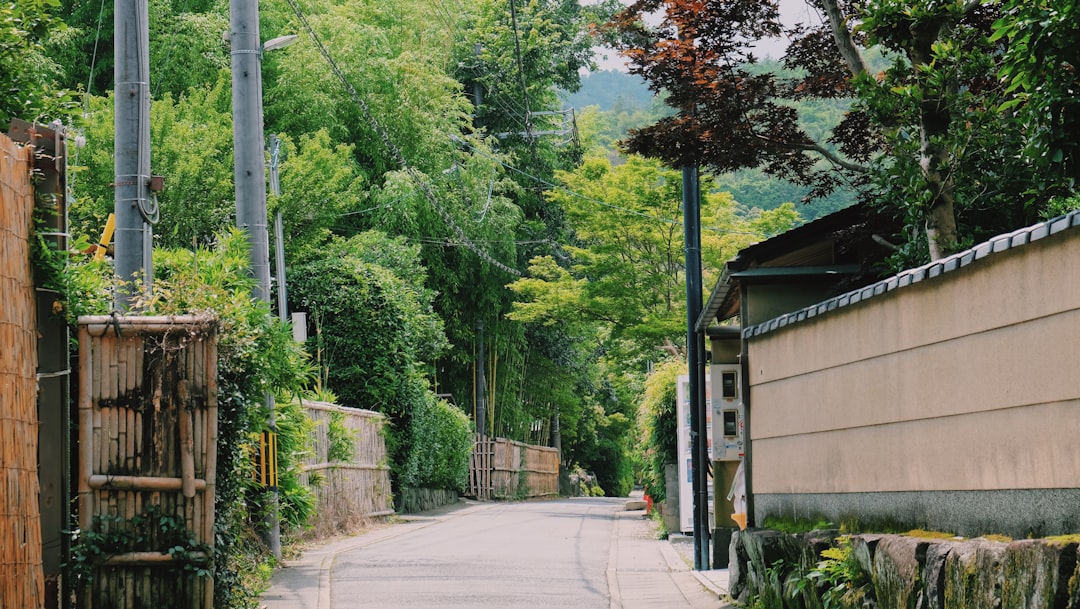
    Photo by masahiro miyagi on Unsplash

  • Finding Solace in Japan’s Countryside: A Foreigner’s Honest Experience

    Finding Solace in Japan’s Countryside: A Foreigner’s Honest Experience

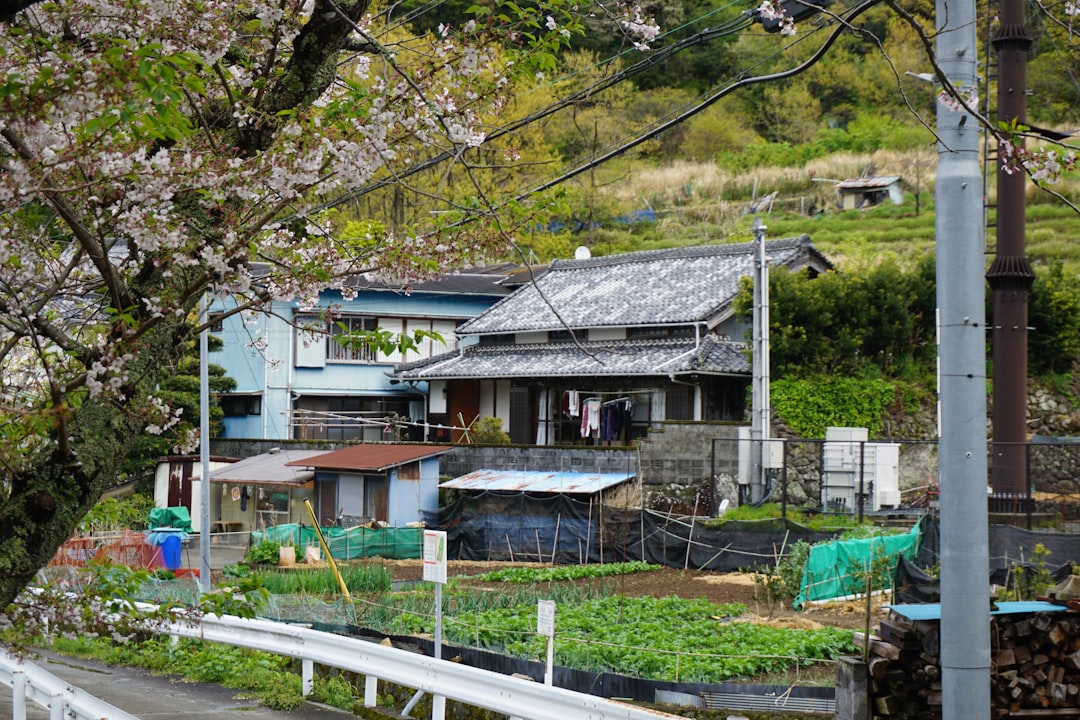
    As I sit on my porch, surrounded by the rolling hills of rural Japan, I often feel a deep sense of peace and contentment. It’s a feeling that’s hard to describe, but it’s as if I’ve finally found a place where I can be myself, without the distractions of city life. But as a foreigner living in the inaka, I’ve also learned that this sense of solitude can be deceiving. The reality is that rural Japan can be a challenging place to live, especially when you’re not fluent in the language and don’t know the local customs.

    Ruthless Honesty: The Good, the Bad, and the Ugly of Inaka Life

    So, can a foreigner truly find a sense of belonging in rural Japan? Is it possible to trade in the hustle and bustle of city life for a simpler, more peaceful existence in the countryside? The answer is a resounding yes – but it’s not without its challenges. I’ve faced my fair share of difficulties, from struggling to communicate with the locals to accidentally committing cultural faux pas. But I’ve also experienced moments of great joy and connection, like volunteering at the local farm, participating in traditional festivals, and simply sharing a cup of coffee with my neighbors.

    A Simple, yet Rich Life

    My days are spent working on my writing, tending to my garden, and exploring the local countryside. I wake up each morning to the sound of birds chirping outside my window, and fall asleep at night with the scent of freshly cut grass lingering in the air. It’s a sensory experience that never gets old – and one that I feel grateful for every day. But it’s not just the natural beauty of rural Japan that I cherish. It’s the way the community comes together, the way the locals look out for one another, and the sense of belonging that I’ve found here.

    Insider Knowledge: Navigating the Ups and Downs of Rural Life

    So, what’s the secret to living a happy, fulfilling life in rural Japan as a foreigner? It’s simple: be open-minded, curious, and willing to learn. Don’t be afraid to make mistakes or ask questions – and always be respectful of the local culture and customs. And when the going gets tough, remember that you’re not alone. There are plenty of like-minded individuals who have made the move to rural Japan, and plenty of resources available to help you navigate the ups and downs of inaka life.

    Join the Journey

    If you’re considering making the move to rural Japan, I encourage you to take the leap. It won’t always be easy, and there will be moments when you feel like turning back. But the rewards are well worth it – from the stunning natural beauty to the warm and welcoming community. And if you’re looking for a supportive community of like-minded individuals to share in your journey, subscribe to our newsletter for more stories and insights on living in Japan as a remote worker.

    Photo by wanderplans.com on Unsplash

  • Breaking Down the Japanese Language Barrier: My Journey in Rural Japan

    Breaking Down the Japanese Language Barrier: My Journey in Rural Japan

    My porch in rural Japan overlooks lush green mountains, a soothing soundtrack of nature enveloping me. A question lingers – can I ever truly belong in a place where I don’t speak the language? The Japanese language barrier was daunting, yet, as I look back, it became one of the most rewarding challenges I’ve undertaken.

    Life in Rural Japan: A Reality Check

    When I arrived in rural Japan, I was struck by its beauty and the kindness of the people. However, I soon realized that the language barrier wasn’t just an obstacle – it was a constant companion, present in every interaction. From grocery shopping to healthcare, I couldn’t comprehend the nuances of Japanese culture without speaking the language. The more I struggled, the more I felt like an outsider, observing life but not truly a part of it.

    Simple interactions with neighbors, eager to welcome me, became awkward, limited to smiles and bows. Loneliness crept in as I wondered if I’d made a mistake leaving my native language and culture behind.

    Finding a New Vision: Overcoming the Language Barrier

    That’s when I started taking Japanese classes at my local community center. Each small victory, each successful conversation, slowly connected me to this new place and people. It wasn’t easy – grammar, syntax, and pronunciation posed significant challenges. But with each step forward, I felt a sense of accomplishment and belonging.

    The first time I ordered food at a local restaurant without relying on Google Translate, a surge of pride washed over me, giving me the courage to push forward. As my language skills improved, so did my relationships, friendships, and participation in local events. I felt at home.

    Learning to See with Different Eyes: Understanding Japanese Cultural Nuances

    One crucial lesson I’ve learned is that mastering Japanese requires more than just learning the language – it’s about grasping the subtle differences in communication, respecting cultures, and adapting to situations. It’s a journey of growth and self-improvement, often uncomfortable, yet rewarding.

    Looking back, the language barrier became a doorway to new experiences and connections. If you’re considering living in rural Japan, be prepared for challenges, but also be open to the opportunities it offers.

    Join Our Community

    If you’re interested in hearing more about life in rural Japan and overcoming the language barrier, join our community of expats. We share stories, insights, and advice to help you navigate Japan and thrive. Our newsletter features updates on living and working in Japan, from language learning to cultural immersion. Would you like to stay updated on our stories and advice?

    Photo by erika m on Unsplash

  • A Life of Delight and Simplicity: My Experiences with Living in Japan

    As I sit in my cozy Tokyo apartment, sipping matcha and watching the cherry blossoms bloom outside my window, I’m reminded of the beauty and complexity of life in Japan.

    I often get asked by friends and acquaintances about the cost of living in Japan, and my answer is always the same: it’s not as simple as a yes or no.

    As an expat who’s lived in both Europe and Japan, I’ve found that the cost of living in Japan is a common concern for many remote workers considering making the move.

    Finding Affordability in Japan

    When I first arrived in Japan, I was taken aback by the high cost of living. Everything from food to transportation to housing seemed to come with a hefty price tag. However, as I settled into my new life, I began to notice that there were ways to navigate the system and find affordable options.

    Eating out at local restaurants, known as izakayas, can be very affordable, with meals starting from around 500 yen (approximately $4 USD). Japan has a well-developed public transportation system, which, while not the cheapest, is convenient and reliable. My monthly pass, which allows me to ride unlimited trains and buses, costs around 9,500 yen (approximately $85 USD).

    In terms of housing, I’ve found that finding an affordable apartment in a decent location can be challenging, but not impossible. Rent can range from around 80,000 yen (approximately $700 USD) to over 200,000 yen (approximately $1,800 USD) per month, depending on the location, size, and amenities. However, with some patience and flexibility, it’s possible to find a comfortable and affordable place to call home.

    Lessons Learned: Making Japan Affordable

    So, how do expats like me make Japan work on a budget? For starters, we learn to be mindful of our spending habits and prioritize our expenses. We also take advantage of the affordable options available to us, such as eating at local restaurants, shopping at markets, and using public transportation.

    Many expats in Japan opt for a more minimalist lifestyle, which not only helps reduce costs but also allows us to focus on what truly matters – experiencing the unique culture and way of life that Japan has to offer.

    A Life of Simplicity and Delight

    Living in Japan as an expat can be incredibly rewarding, but it does require some careful planning and budgeting. By understanding the local cost of living and being intentional with our spending, we can create a comfortable and fulfilling life in this beautiful country.

    As I look back on my time in Japan, I’m grateful for the opportunity to have experienced this unique culture and way of life. From the vibrant streets of Tokyo to the serene landscapes of the countryside, Japan has a way of captivating the heart and inspiring the soul.

    My vision for my ideal life in Japan is one of simplicity and delight. I see myself waking up early, sipping coffee, and watching the sunrise over the Tokyo skyline. I envision myself strolling through the picturesque alleys of Kyoto, taking in the vibrant colors and delicate scents of the cherry blossoms.

    A Community of Like-Minded Individuals

    As an expat, I’ve learned the importance of building a community and connecting with other like-minded individuals. Living in a foreign country can be isolating, especially in the early days. However, by joining expat groups and attending local events, it’s possible to build a supportive network of individuals who understand the challenges and joys of living in Japan.

    If you’re considering making the move to Japan, I invite you to join our community of like-minded expats and remote workers. Our Substack newsletter is a great place to start, with regular updates on the cost of living in Japan, tips for navigating the system, and insights into the unique culture and way of life. By joining our community, you’ll gain access to a wealth of knowledge and experience, and connect with others who are on a similar journey.

    Perhaps most importantly, you’ll have the opportunity to experience the beauty and wonder of Japan for yourself.

  • The Unspoken Side of Life in Japan: Navigating Expectations and Reality

    The Unspoken Side of Life in Japan: Navigating Expectations and Reality

    As I sit here in my small Tokyo apartment, sipping matcha and reflecting on my time in Japan, I wonder what draws us in, only to leave us bewildered and enchanted in equal measure. Is it the promise of a uniquely balanced life, where tradition and innovation coexist in harmony, or the whispered tales of a Japan hidden truth that only reveals itself to those who stay long enough?

    REALITY

    The reality of life in Japan is complex, a tapestry woven from threads of both wonder and challenge. On one hand, the efficiency, safety, and communal courtesy that permeate daily life are undeniable attractions. Trains run to the second, streets are immaculately clean, and the respect for others’ space is a refreshing change from the hustle and bustle of many Western cities. However, there’s also a flip side to this coin – the expat Japan reality that includes navigating bureaucratic hurdles, learning a language that is both beautiful and unforgiving, and sometimes feeling like an outsider looking in, no matter how hard you try to fit in.

    The concept of ‘honne’ and ‘tatemae’ (the contrast between a person’s true feelings and their outward behavior) can be particularly daunting for foreigners, as it blurs the lines of genuine interaction and polite facade. This, coupled with the Japan life expectations vs reality mismatch, where the initial dream of seamless integration and vibrant cultural experiences can give way to the harsh reality of everyday struggles, makes for a fascinating yet sometimes trying experience.

    EMOTION

    Despite these challenges, there’s a sensory, specific vision of the ideal life here that many of us hold onto – waking up early to the sound of birds chirping outside your window, walking to a local café for a traditional Japanese breakfast, and then embarking on a day filled with purpose. The vision includes lazy Sundays spent in Yoyogi Park, watching the cherry blossoms dance in the spring breeze, or cozy winter evenings curled up with a good book and a warm cup of sake. It’s a life that balances solitude and community, tranquility and excitement, in a way that feels uniquely Japanese.

    But what about when reality bites, and the gloss wears off? That’s when the real journey begins – discovering the small, often overlooked moments that make living in Japan so richly rewarding. It might be the kindness of a stranger who goes out of their way to help you find your way, the simple joy of mastering a new kanji character, or the quiet pride of finally being able to order your favorite dish at a restaurant without needing a translator.

    INSIGHT

    One of the insights I’ve gained from my time here is that the true magic of Japan lies not in the grand, touristy attractions or the initial honeymoon phase of living abroad. Instead, it’s found in the subtle, everyday moments and the people you meet along the way. It’s about embracing the expat Japan reality with all its quirks and challenges, and finding your own niche within the community. For some, this might mean joining a local sports team or club, for others, it could be volunteering or taking classes in a traditional Japanese art form. The key is to find what resonates with you and to be open to the unexpected experiences that will inevitably arise.

    Living in Japan is a journey of discovery, not just of the country, but of yourself. It challenges you to be patient, flexible, and open-minded, to question your assumptions, and to grow in ways you never thought possible. And it’s in these moments of growth, of pushing past the comfort zone and into the unknown, that the Japan hidden truth begins to reveal itself – a truth that is complex, multifaceted, and uniquely personal.

    JOIN THE JOURNEY

    If you’re considering making the move to Japan or are already here and looking for a community that understands the highs and lows of expat life, I invite you to join our Substack newsletter. It’s a space where we share stories, insights, and advice from those who have navigated the realities of living in Japan and found their own path to making this fascinating country feel like home.

    Photo by Matt & Chris Pua on Unsplash

  • Finding Community as a Foreigner in Rural Japan: A Path to Belonging

    As I sit here in my small village, surrounded by lush green mountains and rice fields, I often wonder: what does it take to truly feel at home in a foreign land? Can we, as foreigners, ever truly belong in rural Japan, or are we doomed to remain perpetual outsiders?

    The answer, I’ve found, lies in the delicate dance of building a Japan community that accepts and supports us.

    Reality: The Challenges of Rural Life

    When I first moved to rural Japan, I was struck by the stark beauty of the countryside. The rolling hills, the sparkling rivers, and the vibrant festivals all captivated me. However, as time passed, the initial excitement wore off, and the reality of living in a remote area set in. Simple tasks, like grocery shopping or navigating the local healthcare system, became daunting challenges due to the language barrier and cultural differences.

    Moreover, the isolation Japan expat life often entails can be overwhelming, making it difficult to find and connect with like-minded individuals.

    I recall my early days in the village, feeling like a ghost drifting through the streets, invisible and unnoticed by the locals. The silence was deafening, and the only sounds I could hear were the whispers of self-doubt in my mind. It was then that I realized the importance of finding a community that could understand and support me.

    Emotion: A Vision of Belonging

    My vision of an ideal life in rural Japan is one where I can stroll through the village, exchanging warm smiles and greetings with the locals. I envision myself sitting in a cozy café, surrounded by foreigner friends, laughing and sharing stories of our adventures in the countryside.

    The aroma of freshly brewed coffee and baked goods wafts through the air, mingling with the sound of lively chatter and the occasional clinking of cups. In this idyllic scene, the isolation Japan expat life often brings is replaced by a deep sense of connection and belonging.

    As I walk through the village, I imagine being greeted by the familiar faces of shopkeepers, farmers, and artisans, who welcome me with open arms. The language barrier is still present, but it no longer feels insurmountable, as we’ve developed our own ways of communicating, using a combination of simple Japanese, gestures, and kindness.

    Insight: Building a Supportive Community

    One of the most significant insights I’ve gained from my experience in rural Japan is the importance of being proactive in building a community. It’s not enough to simply wait for people to come to us; we must be willing to take the first step, to initiate conversations, and to show genuine interest in the lives of those around us.

    This can be as simple as attending local events, joining a community garden, or participating in a traditional festival. By taking the initiative, we can start to build relationships and create a sense of belonging.

    I’ve also learned that finding common ground with the locals is crucial in building a strong Japan community. Whether it’s a shared love of nature, food, or music, these common interests can serve as a foundation for meaningful relationships.

    Moreover, being open to learning from and adapting to the local culture has helped me navigate the complexities of rural life and build trust with my neighbors.

    As foreigners in rural Japan, we often face unique challenges, from navigating the healthcare system to dealing with bureaucratic procedures. Having a supportive community of fellow expats and understanding locals can make all the difference in these situations.

    By sharing our knowledge, experience, and resources, we can create a safety net that helps us navigate the ups and downs of life in the countryside.

    Join Our Conversation

    If you’re considering making the move to rural Japan, or if you’re already here and looking to connect with like-minded individuals, I invite you to join our Substack newsletter. It’s a space where we share stories, insights, and advice on building a fulfilling life in rural Japan.

    We dive into the topics that matter most to foreigners living in rural Japan, from practical tips on navigating the local healthcare system to personal anecdotes of finding community in the countryside.

    By joining our community, you’ll gain access to a wealth of knowledge, support, and connection, helping you to build a life in rural Japan that is truly your own.

  • Hello world!

    WordPress へようこそ。こちらは最初の投稿です。編集または削除し、コンテンツ作成を始めてください。