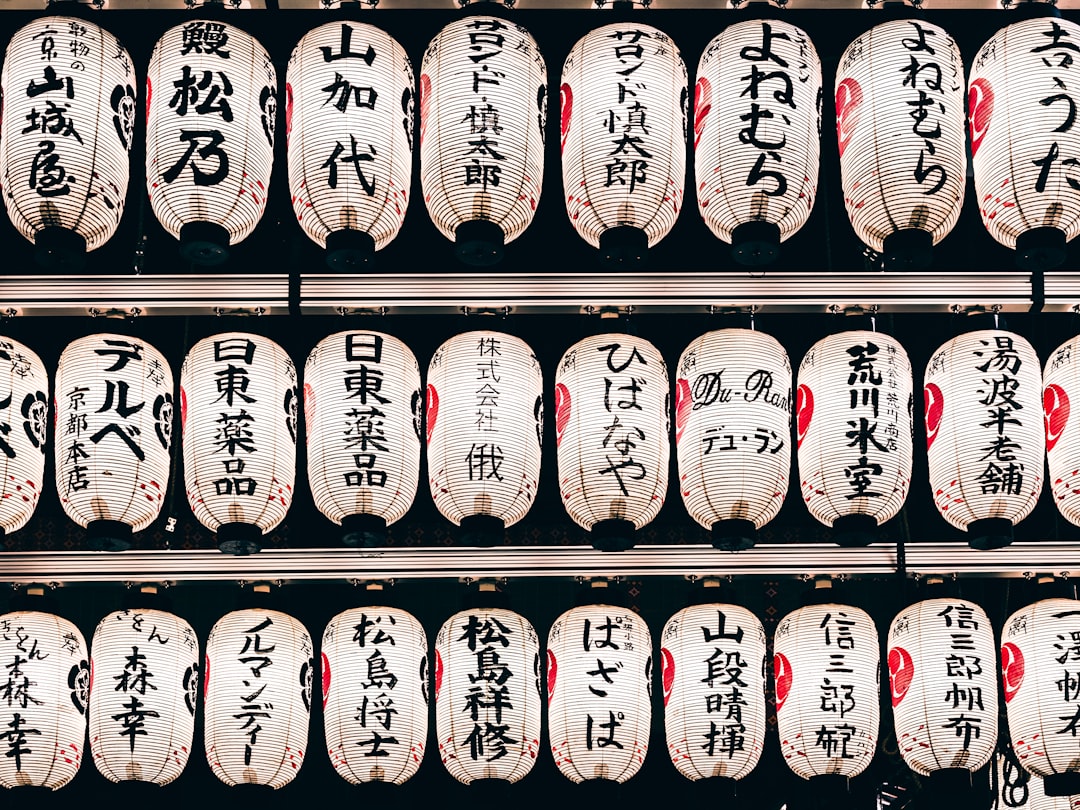
In Japan, mastering the basics of everyday conversation is key to feeling at home. Not knowing essential phrases like (sumimasen) (excuse me), (arigatou) (thank you), and (doko ni arimasu ka?) (where is…?) can make you feel uncomfortable or lost. But with practice and the right guidance, you can become confident in using Japanese phrases in your daily life.
Key Phrases at a Glance
Here are the essential Japanese conversation phrases for shopping, trains, and hospitals that you should know:
* (sumimasen) (excuse me) – used to get someone’s attention or to apologize
* (arigatou) (thank you) – used to express gratitude
* (doko ni arimasu ka?) (where is…?) – used to ask for directions
* (ikura desu ka?) (how much is it?) – used to ask the price of something
* (kono aisatsu o kudasai) (please give me this) – used to request something
* (eki ni ikimasu) (I’m going to the station) – used to inform someone of your destination
* (densha ni norimasu) (I’m getting on the train) – used to inform someone that you are boarding a train
* (byouin ni ikimasu) (I’m going to the hospital) – used to inform someone that you are going to the hospital
A Personal Story
I still remember the day my colleague, Tuan from Hanoi, got into trouble because he didn’t understand the cultural context behind a simple phrase. As a native Japanese speaker, I had never realized how important it is to learn the real phrases that Japanese people use in everyday conversations. That’s why I want to share my knowledge with you and help you avoid any cultural misunderstandings.
The Importance of Phrases
Not knowing these essential phrases can cost you socially and professionally. For example, if you don’t know how to say (sumimasen) (excuse me) when you need to get someone’s attention, you may come across as rude or impolite. Similarly, if you don’t know how to ask for directions using phrases like (doko ni arimasu ka?) (where is…?), you may get lost or struggle to find what you need.
How to Use the Phrases
Each phrase has its own cultural context and nuances. For example:
* (sumimasen) (excuse me) is used to show respect and politeness.
* (arigatou) (thank you) is used to express gratitude and appreciation.
* (doko ni arimasu ka?) (where is…?) is used to ask for directions and guidance.
Frequently Asked Questions
Q: How do I pronounce Japanese phrases correctly?
Pronouncing Japanese phrases correctly can be challenging, but it’s essential to practice and listen to native speakers. You can start by listening to Japanese podcasts or watching Japanese videos with subtitles.
Q: What are some common mistakes that foreigners make when speaking Japanese?
One common mistake is using the wrong level of politeness. Japanese has different levels of politeness, and using the wrong level can be seen as impolite or rude. Another mistake is not using the correct pronunciation or intonation. Japanese is a tonal language, and using the wrong tone can change the meaning of a word.
Q: How can I learn Japanese quickly and effectively?
To learn Japanese quickly and effectively, it’s essential to immerse yourself in the language. You can start by listening to Japanese music, watching Japanese movies or TV shows, and speaking with native speakers.
Bonus Phrases
Here are a few bonus phrases that will genuinely surprise and delight Japanese people when used correctly:
* (o-genki desu ka?) (how are you?) – used to ask about someone’s well-being
* (gomen nasai) (sorry) – used to apologize
* (itadakimasu) (I will receive) – used to express gratitude before eating
Ready to Improve Your Japanese Skills?
Every week I share 10 new phrases with paid subscribers – pulled directly from what I hear in real Japanese workplaces. If you want to actually sound like you belong in Japan, that’s where to be.
📖 Want to learn Japanese faster — with phrases that actually matter at work?
Paid subscribers get every week:
- 10 new phrases used by real foreign workers in Japan right now
- Audio-style breakdowns — pronunciation tips written for Asian learners
- Workplace scripts: how to handle your boss, HR, and difficult conversations
- My personal replies to your questions every Friday
Less than a cup of coffee per week. Start learning smarter →

Photo by Marek Piwnicki on Unsplash





コメント