I’ve seen it time and time again: foreign buyers excited to own a piece of Japan, only to find themselves stuck with costly surprises. Mark from Vancouver, who bought an akiya for ¥500,000, soon discovered his renovation bill would be a whopping ¥8 million. The Ministry of Land data shows a staggering 9 million akiya units in 2023, many of which are being sold to unsuspecting foreign buyers like Mark.
Lessons from the Frontlines
* Be cautious of extremely low-priced properties that may come with hidden renovation costs.
* Understand Japanese property law and the importance of documents like the
* Work with a vetted bilingual agent to avoid potential pitfalls.
Mark’s story is far from unique. Foreign buyers are uniquely vulnerable to Japan’s property traps due to language barriers and a lack of understanding of Japanese property law. A crucial document to look out for is the
Red Flags to Watch Out For
Some common red flags to beware of include:
* Extremely low prices: If it’s too good to be true, it probably is. Be cautious of properties priced significantly lower than similar properties in the area.
* Lack of documentation: Ensure that all necessary documents, including the
* Pressure to sign quickly: Don’t rush into a purchase. Take the time to review all documents and understand the terms of the sale.
* Unscrupulous agents: Work with a vetted bilingual agent who has experience working with foreign buyers.
Protecting Yourself
Before purchasing a property in Japan, foreign buyers should conduct thorough due diligence, including:
* Reviewing the
* Inspecting the property for any signs of damage or needed repairs
* Researching the local market and comparable prices
* Working with a vetted bilingual agent
Staying Ahead
Stay informed and ahead of the curve with our expert advice and resources. Whether you’re a seasoned buyer or a first-timer, we’re here to guide you through the complex world of property buying in Japan.

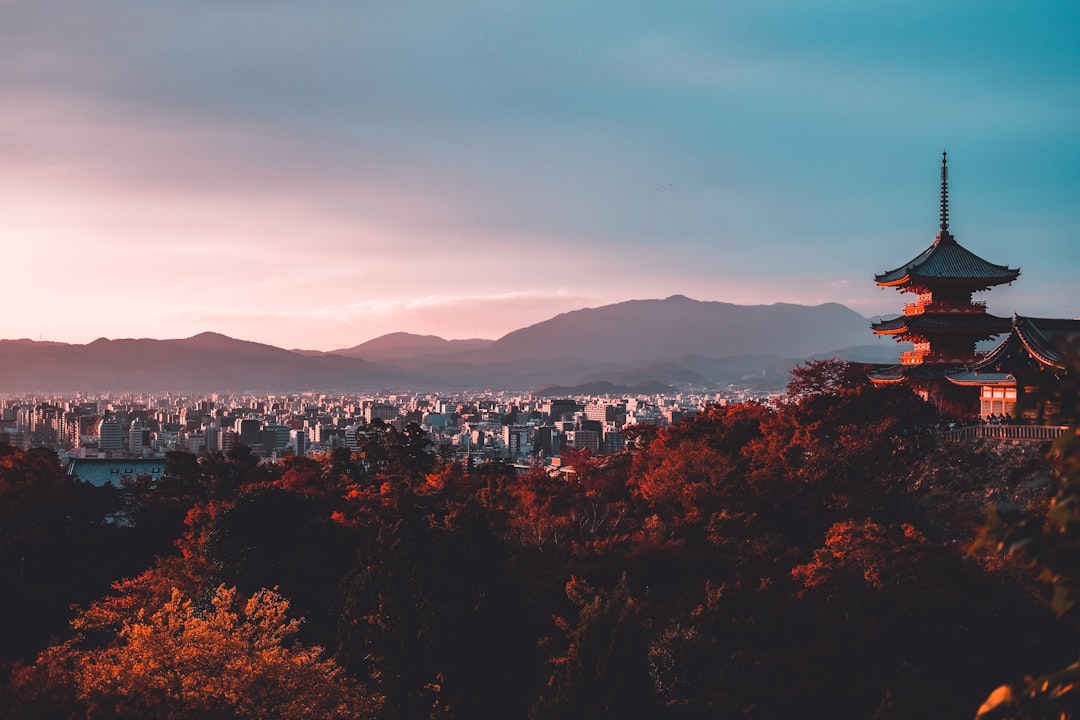
Photo by Su San Lee on Unsplash







コメント