”
My Connection to Rural Japan
I’ve lived in rural Japan my whole life, and I’ve watched it evolve over the years. I’ve seen the empty houses (called akiya) sit vacant for decades, waiting for someone to give them new life. I’ve also seen foreigners come and transform these spaces into beautiful homes, creating a unique lifestyle they never knew they wanted.
One such person was James from Toronto. He was looking for a peaceful retreat from the city, and he found it in Nagano Prefecture. However, he soon realized that the renovation costs would be higher than expected. This is a common challenge that foreign buyers face when purchasing an akiya in rural Japan – the language barrier, remoteness, and bureaucracy can be overwhelming, but with the right guidance, it can be a rewarding experience.
A Hidden Gem
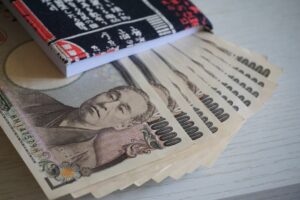
Japan offers a unique opportunity for Westerners to buy affordable second homes, with prices starting from ¥500,000 (approximately $4,000 USD). The government has introduced programs like the Akiya Bank to revitalize rural areas and provide incentives for foreign buyers. The regions of Niigata, Shimane, and Tokushima are particularly attractive, with their stunning natural beauty, rich culture, and friendly communities.
The Buying Process
The process of buying a property in Japan as a foreigner can be complex, but it’s definitely possible. First, you’ll need to find a property that suits your needs and budget. This can be done through online research, working with a bilingual real estate agent, or visiting the area in person. Once you’ve found a property, you’ll need to secure financing, which can be challenging for foreign buyers. However, some banks in Japan offer loans to non-residents, and there are also alternative financing options available.
Life in Rural Japan
Imagine waking up to the sound of birds chirping, sipping coffee on your terrace overlooking a serene landscape, and spending your days exploring the local culture and community. This is the life that many foreign buyers have discovered in rural Japan. From the vibrant festivals to the delicious local cuisine, there’s a unique charm to living in rural Japan. As Sarah from Melbourne asked me last week, “Is it really possible to integrate into the local community as a foreigner?” The answer is yes, with a little effort and patience. Many rural areas are eager to welcome foreign residents and provide support to help them settle in.
Frequently Asked Questions
Q: What is the average price of an akiya in rural Japan?
A: The average price of an akiya in rural Japan can vary greatly depending on the region, size, and condition of the property. However, prices can start from as low as ¥500,000 (approximately $4,000 USD) for a small, rural property.
Q: Can foreign buyers get a mortgage in Japan?
A: Yes, some banks in Japan offer loans to non-residents, but the process can be challenging. It’s recommended to work with a bilingual real estate agent who can guide you through the process.
Q: What are the benefits of buying an akiya in rural Japan?
A: The benefits of buying an akiya in rural Japan include the affordable price, the opportunity to integrate into a local community, and the chance to experience a unique and authentic Japanese lifestyle.
Q: How long does it take to complete the buying process in Japan?
A: The buying process in Japan can take several months to complete, depending on the complexity of the transaction and the speed of the parties involved. It’s essential to work with a knowledgeable and experienced bilingual real estate agent to ensure a smooth process.
Explore the Real Japan
Want to experience the authentic Japan beyond the tourist trail? Visit MitoraHub
Join Our Community
Each week, I send paid subscribers a detailed regional price breakdown, my vetted bilingual agent list, and the exact checklist I walk every foreign buyer through before they sign. For the price of one coffee a week, get everything you need to move forward. Join paid members →
By following our community, you’ll gain insider knowledge on the best regions to buy, how to navigate the local market, and the secrets to making your akiya into a home. Together, let’s explore the real Japan and discover its hidden charms.
Photo by Su San Lee on Unsplash


コメント