Renting an apartment in Japan as a foreigner can be a daunting task, but with the right guidance, it’s definitely possible. My colleague, Tuan from Hanoi, struggled to find a place to live when he first arrived in Japan, and I realized that the process was much more complicated than I had initially thought.
What You Need to Know First
Japan has a unique rental system that often requires a guarantor, which can be a challenge for foreigners to find. Many apartment buildings in Japan have a no-foreigner policy, which is a form of rental discrimination. Having the right documents, such as a zairyu card and proof of income, can make the rental process much smoother.
I took Tuan to visit several real estate agents, but we were often met with rejection due to his foreign status. It wasn’t until we found a landlord who was willing to work with foreigners that Tuan was finally able to find a place to call home. This experience taught me that renting an apartment in Japan as a foreigner requires a lot of persistence and patience.
Why It’s Harder for Foreigners
The Japanese rental system is designed with locals in mind, and foreigners often find it difficult to navigate. One of the main challenges is finding a guarantor, which is typically a Japanese citizen who can vouch for the renter’s creditworthiness. This can be a problem for foreigners who don’t have any connections in Japan.
What You Actually Need
To rent an apartment in Japan, you’ll typically need the following documents:
- A zairyu card (在留カード), which is a residence card that proves your status as a foreigner in Japan.
- Proof of income, such as a salary statement or a letter from your employer.
- A guarantor, which can be a Japanese citizen or a company that provides guarantor services.
- A hanko (判こ), which is a Japanese seal that is used to sign official documents.
- A deposit, which is typically one to two months’ worth of rent.
Step-by-Step Guide
- Find a real estate agent who works with foreigners. You can search online or ask friends and colleagues for recommendations.
- Gather the necessary documents, including your zairyu card, proof of income, and guarantor information.
- Visit the real estate agent and explain your situation. They can help you find an apartment that fits your needs and budget.
- When you find an apartment you like, you’ll need to sign a rental agreement. This typically involves using your hanko to sign the document.
- Pay the deposit and any other fees associated with renting the apartment.
Some Tips to Keep in Mind
Here are a few more things to consider when renting an apartment in Japan:
- It’s a good idea to have a Japanese phone number and a Japanese bank account, as these can make it easier to pay rent and utilities.
- Some real estate agents and landlords may require payment by bank transfer or cash, so it’s a good idea to check beforehand.
- Don’t be discouraged if it takes time to find the right place. Persistence and patience are key when renting an apartment in Japan as a foreigner.
Frequently Asked Questions
Q: Can I rent an apartment in Japan without a guarantor?
A: It’s possible to rent an apartment in Japan without a guarantor, but it can be more difficult. Some real estate agents and landlords may require a guarantor, while others may not. It’s a good idea to shop around and find a real estate agent or landlord who is willing to work with foreigners without a guarantor.
Q: How much does it cost to rent an apartment in Japan?
A: The cost of renting an apartment in Japan can vary depending on the location, size, and condition of the apartment. On average, a one-bedroom apartment in a city center can cost around 100,000 to 200,000 yen per month. Additionally, you’ll need to pay a deposit, which is typically one to two months’ worth of rent.
Q: Can I use a credit card to pay my rent in Japan?
A: It’s possible to use a credit card to pay your rent in Japan, but it’s not always accepted. Some landlords and real estate agents may require payment by bank transfer or cash. It’s a good idea to check with your landlord or real estate agent before signing a rental agreement to see what payment methods are accepted.
Get the complete Japan life setup guide
Paid subscribers get every week:
- Step-by-step setup checklists — bank, phone, apartment, insurance, in the right order
- Template scripts — what to say (in Japanese and English) to landlords, banks, HR
- Reader Q&A — real situations from foreigners living in Japan right now
- My personal replies to your questions every Friday
Less than a cup of coffee per week. Get the full guide →
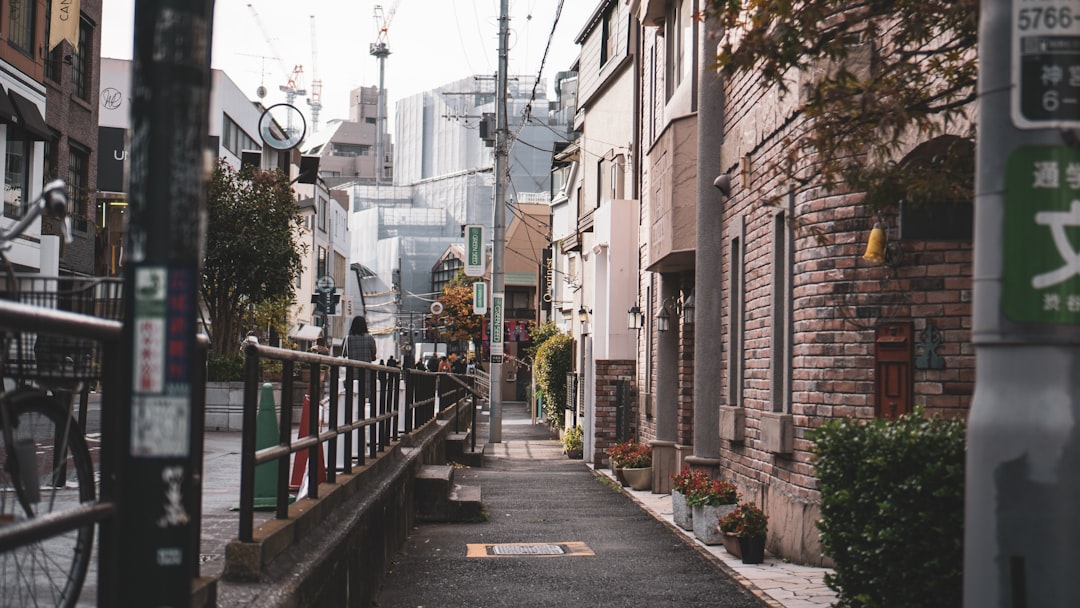
Photo by Emil Karlsson on Unsplash









コメント