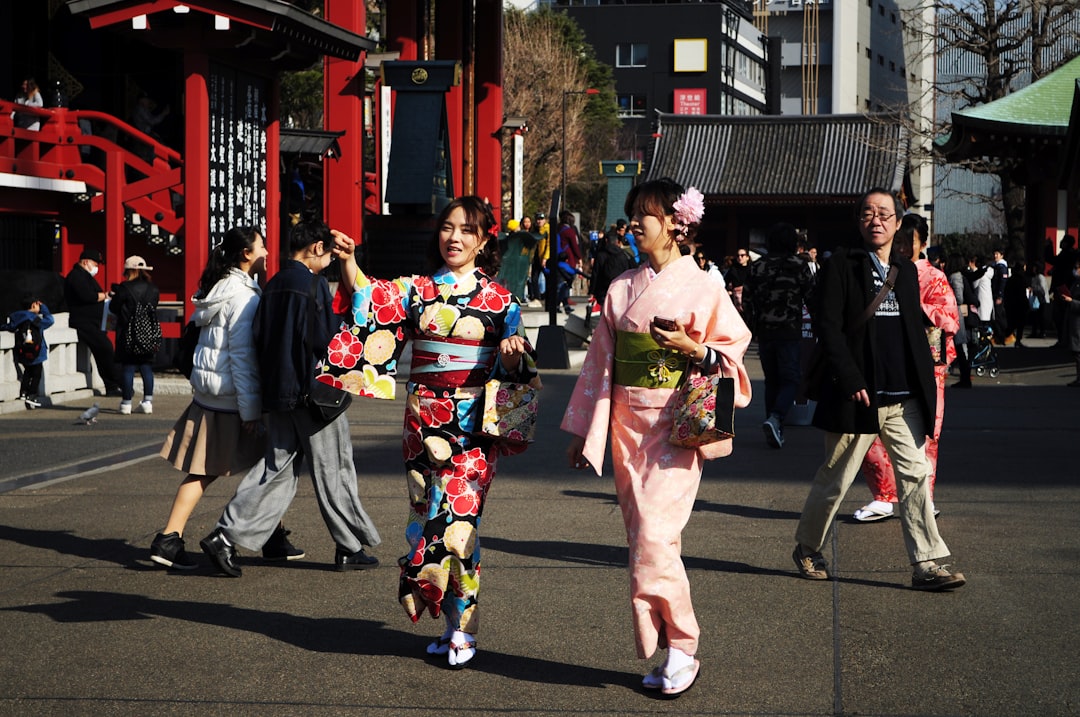
Japan’s work culture can be bewildering for newcomers, with its emphasis on overtime, nomikai (drinking parties), and unwritten rules. I recall my colleague, Rohan from Mumbai, struggling to understand why his Japanese colleagues would often stay late at the office, only to go out drinking together afterwards. As a Japanese person, it’s easy to take these customs for granted, but for foreigners, they can be a significant obstacle to navigating the workplace.
What You Need to Know First
Japan’s work culture prioritizes teamwork and harmony over individualism.
Overtime is common, and often expected, especially in certain industries.
Nomikai is an essential part of building relationships with colleagues and superiors.
When I first arrived in Japan, I was taken aback by the amount of overtime my colleagues were putting in. In Japan, it’s not uncommon for employees to work long hours, often exceeding 12 hours a day. This is partly due to the cultural emphasis on teamwork and dedication to the company. However, it can be challenging for foreigners to adjust to this pace, especially if they’re used to a more relaxed work environment.
One of the reasons Japan’s work culture can be difficult for foreigners to navigate is the prevalence of unwritten rules. For example, it’s common for Japanese colleagues to use honorific language when speaking to superiors, but this can be tricky for non-native speakers to grasp. My friend, Maria from the Philippines, once had a difficult time understanding why her colleagues would use different language when speaking to their boss versus when speaking to each other.
A Key to Navigating Japan’s Work Culture: Understanding Honne and Tatemae
In Japan, it’s essential to understand the concept of “honne” and “tatemae.” Honne refers to a person’s true feelings or intentions, while tatemae refers to the face or appearance they present to the world. In Japan, it’s common for people to present a tatemae that is different from their honne, especially in professional settings.
You also need to learn about the different types of nomikai, such as “ai-nomikai” and “shoku-nomikai.” Ai-nomikai is a more casual gathering, while shoku-nomikai is a more formal event.
Navigating Japan’s Work Culture: Step-by-Step
Here’s a step-by-step guide to help you navigate Japan’s work culture:
-
Learn about Japanese business etiquette, such as using honorific language, bowing, and gift-giving.
-
Familiarize yourself with common Japanese phrases, like “sumimasen” and “arigatou gozaimasu.”
-
Attend nomikai events and participate in social activities to build relationships with your colleagues.
-
Be prepared for overtime and understand that it’s common in Japan, especially during busy periods.
-
Find a mentor who can guide you through the complexities of Japan’s work culture.
Common Challenges and Tips for Success
Foreigners often struggle with adjusting to Japan’s fast-paced work environment, understanding honorific language, and building relationships with colleagues. To overcome these challenges, it’s essential to be patient, flexible, and willing to learn.
My friend, Tuan from Hanoi, once had a hard time understanding why his colleagues would use different language when speaking to their boss. I advised him to observe, listen carefully, and ask questions when he was unsure.
Frequently Asked Questions
Q: What is the average amount of overtime worked in Japan?
The average amount of overtime varies depending on the industry and company, but it’s not uncommon for employees to work an additional 2-3 hours per day.
Q: How can I build relationships with my Japanese colleagues?
Building relationships requires attending social events, being willing to listen and learn, and being respectful and courteous. Use honorific language and follow Japanese business etiquette.
Q: What is the best way to navigate Japan’s work culture as a foreigner?
The best way to navigate Japan’s work culture is to be patient, flexible, and willing to learn. Find a mentor, attend social events, and be open to new experiences. It’s also essential to understand the cultural context and history behind Japan’s work culture.
Every week, I send paid subscribers a complete checklist with the exact scripts to use, in both Japanese and English. The kind of preparation that means you walk in knowing exactly what to say and what to bring. That’s where to be.
Get the Complete Japan Life Setup Guide
Paid subscribers get every week:
- Step-by-step setup checklists — bank, phone, apartment, insurance, in the right order
- Template scripts — what to say (in Japanese and English) to landlords, banks, HR
- Reader Q&A — real situations from foreigners living in Japan right now
- My personal replies to your questions every Friday
Less than a cup of coffee per week. Get the full guide →

Photo by Maria Cassagne on Unsplash









コメント