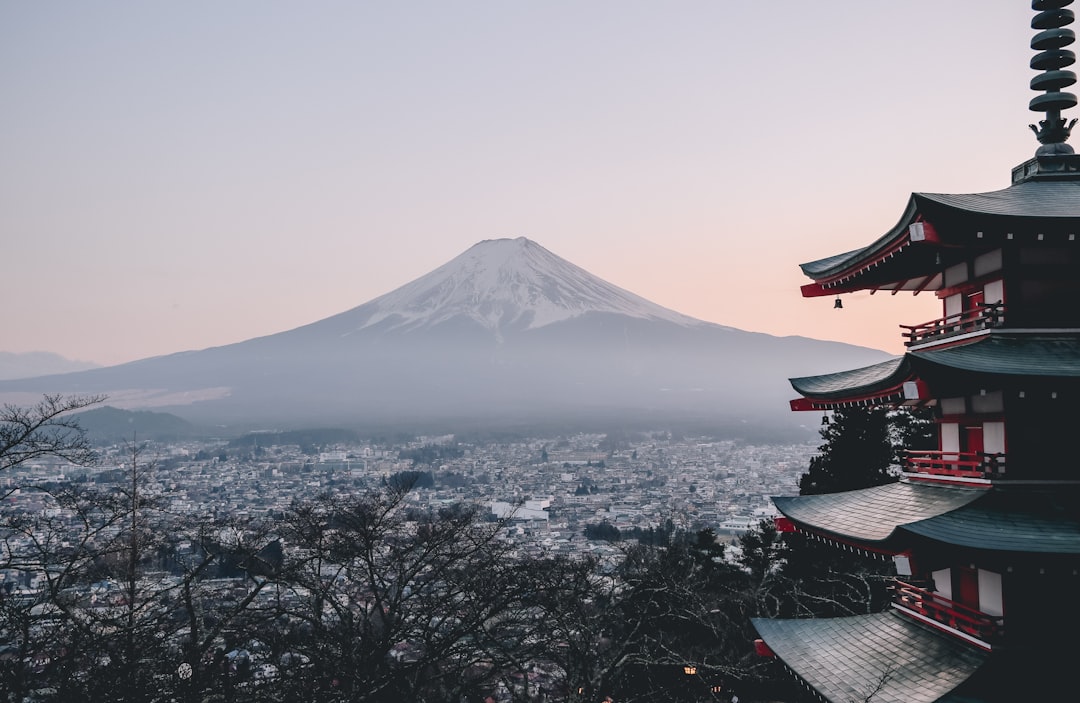
As a Canadian citizen looking to start a new life in rural Japan, you’re likely wondering where to begin and what to expect. I’ve been living in rural Japan for my whole life, and I’ve seen firsthand the potential for foreign buyers to bring new life to these communities.
Key Insights
* Japan has approximately 9 million akiya houses, many of which are available for purchase at affordable prices.
* The Japanese government offers incentives for foreign buyers, including the ‘Akiya Bank’ program, which provides financial assistance for renovations.
* Buying an akiya house in Japan requires a good understanding of the local real estate market, language, and bureaucracy.
I’ve helped many foreign buyers navigate the process of buying an akiya house in Japan. For one of them, James from Toronto, I was able to provide guidance and support throughout the process. He was drawn to the idea of owning a traditional Japanese home in a rural setting, but he was also concerned about the challenges of purchasing a property in a foreign country.
The reality is that buying an akiya house in Japan can be complex, especially for foreign buyers. The properties are often located in remote areas, and the renovation costs can be significant. Additionally, language barriers and bureaucratic hurdles can make it difficult to navigate the system. However, with the right guidance and support, it’s possible to overcome these challenges and find a beautiful home in rural Japan.
The numbers can be daunting, but it’s essential to understand the costs involved in buying an akiya house in Japan. In some rural areas, such as Nagano or Niigata prefecture, you can find properties for as low as ¥500,000 (around $4,500 CAD). However, in more popular areas like Shimane or Tokushima prefecture, the prices can be higher, ranging from ¥1 million to ¥5 million (around $9,000 to $45,000 CAD). Renovation costs can also vary widely, depending on the condition of the property and the extent of the renovations needed.
The Buying Process
* Research the local real estate market and find a reputable agent who can guide you through the process.
* Open a Japanese bank account and obtain a Japanese tax identification number.
* Negotiate the price and sign a contract.
* Begin the renovation process, which may involve working with local contractors and navigating the local bureaucracy.
As someone who has lived in rural Japan my whole life, I can paint a vivid picture of life in the countryside. But I also want to make it clear that buying an akiya house in Japan is not a decision to be taken lightly. It’s a complex process that requires careful planning and research.
Frequently Asked Questions
Q: What is the Akiya Bank program, and how can it help me as a foreign buyer?
A: The Akiya Bank program is a government initiative that provides financial assistance for renovations and repairs to akiya properties. As a foreign buyer, you may be eligible for this program, which can help offset the costs of renovations and make the purchase more affordable.
Q: How do I find a reputable agent who can guide me through the process of buying an akiya house in Japan?
A: You can start by researching local real estate agents who have experience working with foreign buyers. Look for agents who are bilingual and have a good understanding of the local market and bureaucracy. You can also ask for referrals from other foreign buyers who have purchased properties in the area.
Q: What are the typical renovation costs for an akiya house in Japan, and how can I budget for them?
A: Renovation costs can vary widely, depending on the condition of the property and the extent of the renovations needed. On average, you can expect to pay around ¥500,000 to ¥1 million (around $4,500 to $9,000 CAD) for basic renovations, such as electrical and plumbing work. However, more extensive renovations can cost significantly more, up to ¥5 million (around $45,000 CAD) or more.
Join our newsletter for more insights and updates on rural Japan
Every week, I’ll share stories, tips, and advice on what it’s like to live in rural Japan. From finding the perfect akiya house to navigating the local bureaucracy, I’ve got you covered.
Photo by Manuel Cosentino on Unsplash


コメント