Introduction to Practical Japanese
In this article, you’ll learn essential Japanese phrases for everyday situations that will make your life in Japan much easier. I’ll share real-life examples of how these phrases are used, so you can feel more confident in communicating with Japanese people.
My colleague, Tuan from Hanoi, once looked baffled when our boss said 「お会計はこちらからです」 (o-kanjou wa kochira kara desu) on his first day. It literally means ‘The bill is from here,’ but in reality, it’s a polite way to say ‘Let’s pay the bill.’ Moments like these can be challenging, but with the right phrases, you’ll be ready for any situation.
Key Phrases at a Glance
Here are the essential phrases you’ll learn:
– 「いくらですか」 (ikura desu ka) – How much is it?
– 「お釣りは大丈夫ですか」 (o-tsuri wa daijoubu desu ka) – Is the change correct?
– 「このものはいくらですか」 (kono mono wa ikura desu ka) – How much is this item?
– 「合計でいくらになりますか」 (goukei de ikura ni narimasu ka) – What’s the total?
Why These Phrases Matter
Not knowing these phrases can lead to awkward situations and misunderstandings, both in your daily life and at work. Imagine waiting for a long time or paying the wrong amount because you couldn’t ask for the bill. Being able to communicate effectively is crucial for building strong relationships with Japanese colleagues and clients.
Practical Phrases for Everyday Situations
Let’s dive into the essential phrases for numbers, money, and shopping:
1. **Counting and Numbers**: Japanese uses different counters for various objects. For example, 「二本のペン」を買います (ni-hon no pen o kaimasu) means ‘I’ll buy two pens,’ using the counter 「本」 (hon) for long, cylindrical objects.
2. **Asking Prices**: When shopping, you often need to ask prices. The phrase 「いくらですか」 (ikura desu ka) is used to ask ‘How much is it?’ Remember, the actual meaning is about inquiring the cost of an item.
3. **Paying and Change**: After purchasing, you’ll need to understand phrases related to payment and change. 「お釣りは大丈夫ですか」 (o-tsuri wa daijoubu desu ka) is a polite way to ask if the change is correct.
4. **Shopping Phrases**: At a store, you might need to ask for help or compare items. For example, 「この商品はどれですか」 (kono shouhin wa dore desu ka) means ‘Which one is this product?’
Frequently Asked Questions
Q: How do I count money in Japanese?
A: Counting money in Japanese involves using specific counters like 「円」 (en) for yen. For example, 「千円」 (sen en) is one thousand yen, and 「五千円」 (go sen en) is five thousand yen.
Q: What if I make a mistake with the numbers or money?
A: If you make a mistake, politely apologize and correct yourself. The phrase 「すみません、間違いました」 (sumimasen, machigaimashita) or ‘Sorry, I made a mistake’ can be very helpful.
Q: Are there any specific shopping phrases I should know for different types of stores?
A: Yes, different stores might have specific phrases. For example, at a convenience store, you might ask 「この商品の価格は?」 (kono shouhin no kakaku wa?) to inquire about the price of an item.
Bonus Phrases
To genuinely surprise and delight Japanese people, try using the following phrases:
– 「ごめんください」 (gomen kudasai) – Excuse me, showing politeness
– 「お礼を言います」 (o-rei o iimasu) – I will say thank you, indicating appreciation
– 「お世話になります」 (o-sewa ni narimasu) – I will bother you, which is a polite way to show consideration for others’ time
Lets Keep Learning Together
Every week, I’ll share 10 new phrases with our community, pulled directly from what I hear in real Japanese workplaces. Last week, I covered the phrases for navigating a kaigi (会議) without looking lost. If you want to sound like you belong, join our community to learn alongside me.
📖 Want to learn Japanese faster with phrases that actually matter at work?
Join our community for:
- 10 new phrases used by real foreign workers in Japan right now
- Audio-style breakdowns — pronunciation tips written for Asian learners
- Workplace scripts: how to handle your boss, HR, and difficult conversations
- My personal replies to your questions every Friday
Less than a cup of coffee per week. Start learning smarter →

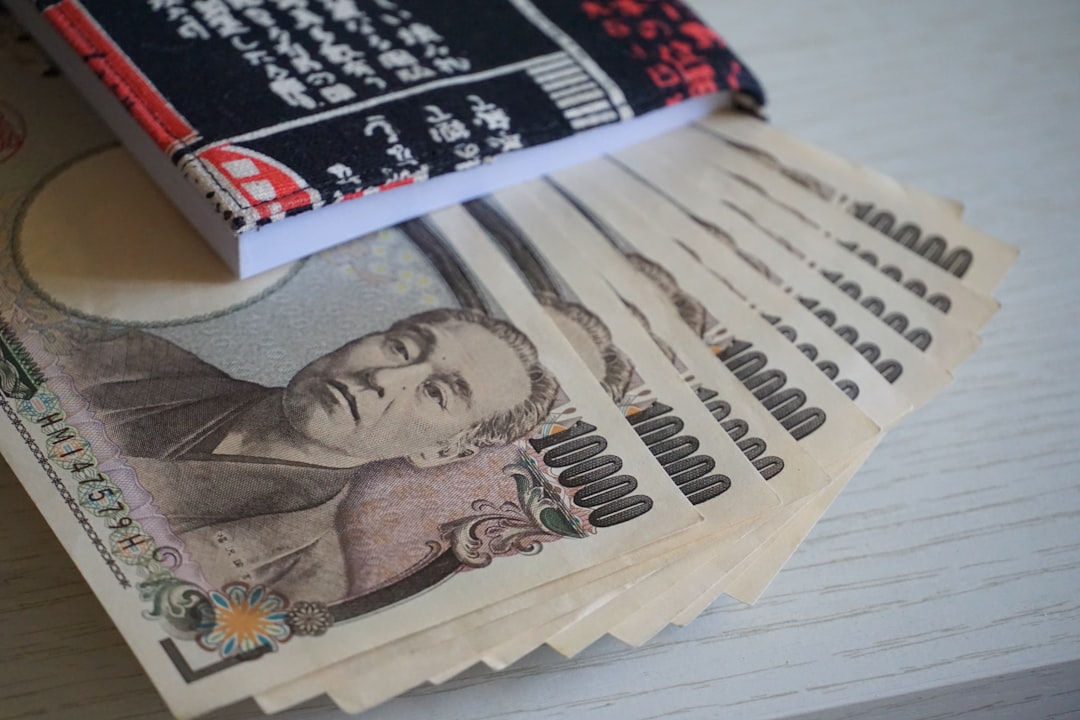
Photo by Cullen Cedric on Unsplash









コメント