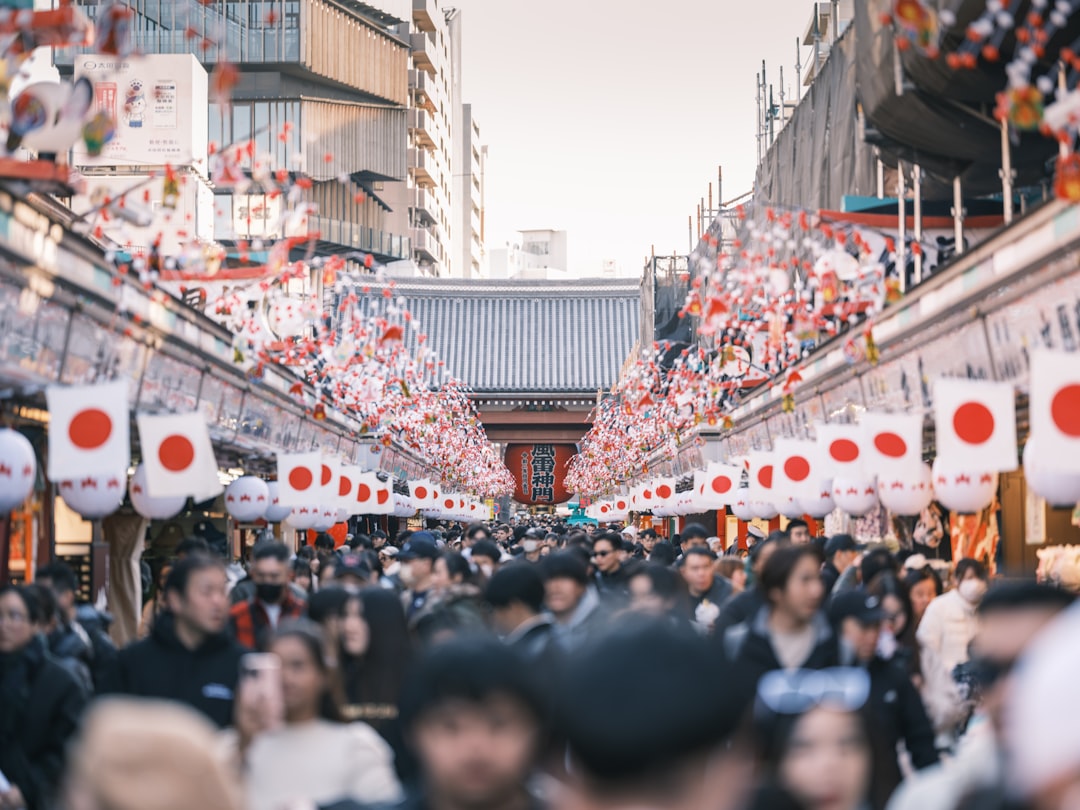
Working holiday visas are a fantastic way for young adults from eligible countries to experience Japan’s unique culture while working part-time. But what do they really take into account when reviewing applications? As someone who’s seen my fair share of rejections, I’m here to share some essential insider tips to help you increase your chances of getting approved.
To be eligible, applicants must be between 18 and 30 years old, hold a valid passport, and have sufficient funds to support their stay in Japan. The official guide might not mention it, but I’ve seen applications rejected for this reason more times than I can count: it’s always something about demonstrating clear travel plans and a realistic budget.
Key Takeaways
- The Japan working holiday visa is available to citizens of certain countries, including Australia, Canada, and the UK.
- Applicants must meet specific requirements, including age, education, and financial criteria.
- The application process involves submitting various documents, including a valid passport, proof of funds, and a travel itinerary.
- Japan’s Immigration Services Agency approved over 20,000 working holiday visas in 2023, with the majority of applicants coming from Asian countries.
I recall our new hire Priya from Mumbai applied for her Engineer visa, and the first thing that struck me was the complexity of the documentation required. However, the working holiday visa is relatively straightforward, with a focus on demonstrating an applicant’s genuine intentions to experience Japanese culture and work part-time. This is what we check on our end: a clear travel plan, sufficient funds, and a basic understanding of Japanese language and customs.
The working holiday visa, also known as the Just労ビザ (Working Holiday Visa), allows young adults to stay in Japan for up to one year and work part-time to support their living expenses. To qualify, applicants must meet specific requirements, including:
- Being a citizen of an eligible country (currently, Australia, Canada, Denmark, France, Germany, Ireland, New Zealand, Norway, Portugal, Slovakia, South Korea, Spain, Taiwan, and the UK).
- Being between 18 and 30 years old (some countries have extended the age limit to 35).
- Holding a valid passport with at least two blank pages.
- Having sufficient funds to support their stay in Japan (approximately ¥200,000-300,000, or around $2,000-$3,000 USD).
- Having a basic understanding of Japanese language and customs.
The step-by-step process for applying for a working holiday visa involves:
- Checking eligibility and gathering required documents, including a valid passport, proof of funds, and a travel itinerary.
- Submitting the application to the Japanese embassy or consulate in the applicant’s home country, along with the required documents and fees (approximately ¥2,000-3,000, or around $20-$30 USD).
- Waiting for the application to be processed, which can take anywhere from a few days to several weeks.
- Receiving the working holiday visa, which is usually issued for a period of six months to one year.
- Registering with the local authorities in Japan and obtaining a 在留資格認定証明書 (Certificate of Eligibility) within 14 days of arrival.
On our end, we check for completeness and accuracy of the application, as well as the applicant’s genuine intentions to experience Japanese culture and work part-time. I’ve seen applications rejected due to incomplete or inaccurate documentation, as well as a lack of clear travel plans or insufficient funds. To avoid these common mistakes, applicants should:
- Make sure to submit all required documents, including a valid passport, proof of funds, and a travel itinerary.
- Demonstrate clear travel plans and a realistic budget.
- Show a basic understanding of Japanese language and customs.
- Be prepared to attend an interview at the Japanese embassy or consulate, if required.
I share exact document checklists with paid subscribers – including the internal checklist Japanese HR teams use when reviewing applications. This week, I’m covering the 特定技能 (Specified Skilled Worker) visa, which has become increasingly popular among foreign workers in Japan. If you’re actually applying, that level of detail makes all the difference.
Frequently Asked Questions
Q: What is the difference between a working holiday visa and a tourist visa?
A: A working holiday visa allows the holder to work part-time in Japan to support their living expenses, while a tourist visa does not permit work. Working holiday visa holders are also required to register with the local authorities and obtain a 在留資格認定証明書 (Certificate of Eligibility).
Q: Can I apply for a working holiday visa if I’m already in Japan on a different type of visa?
A: Yes, it is possible to apply for a working holiday visa while in Japan on a different type of visa, but you will need to meet the eligibility requirements and submit the required documents to the Japanese immigration authorities.
Q: How long does it take to process a working holiday visa application?
A: The processing time for a working holiday visa application can vary depending on the country and the time of year, but it typically takes anywhere from a few days to several weeks.
Get the full Japan visa guide + timeline templates
Paid subscribers receive every week:
- Updated visa checklists – every document, in the right order, for each visa type
- Real application timelines from readers who just completed the process
- Immigration office tips – what to say, what not to say, what to bring
- My personal replies to your visa questions every Friday
Less than a cup of coffee per week. Get the full guide →

Photo by Nichika Sakurai on Unsplash









コメント