In this article, you will learn the most essential Japanese phrases for daily life, including how to navigate the workplace, converse with locals, and handle emergencies. We will cover 10 crucial phrases, their literal and actual meanings, and provide examples of when to use them. By the end of this article, you will be equipped with the language skills necessary to thrive in Japan.
Key Phrases at a Glance
Here are the essential phrases we will cover:
- (Sumimasen) – Excuse me / Sorry
- (Arigatou) – Thank you
- (Ogenki desu ka?) – How are you?
- (Watashi wa [name] desu) – My name is [name]
- (Koko wa doko desu ka?) – Where is this place?
- (Eki wa doko ni arimasu ka?) – Where is the station?
- (Kono ryokou wa doko made desu ka?) – How much is this?
- (Mizu o kudasai) – Water, please
- (Toire wa doko ni arimasu ka?) – Where is the restroom?
- (Koko de nanika o kaimasu ka?) – Can I buy something here?
I still remember the first day my colleague, Tuan from Hanoi, joined our team. When our boss said (Ogenki desu ka?) to him, Tuan looked completely blank. I realized then that many everyday Japanese phrases are not taught in textbooks, but are essential for daily life.
As a native Japanese speaker, I have seen many foreign colleagues and friends struggle with the language, not because they don’t know the grammar rules, but because they don’t know the real phrases used in everyday situations. Not knowing these phrases can lead to misunderstandings, awkward situations, and even social isolation.

Situation-Based Phrases
Workplace
In this section, we will cover two essential phrases for the workplace:
-
(Sumimasen) (su-mee-mah-sen)
Literal meaning: “It’s a bother”
Actual meaning: “Excuse me” / “Sorry”
Cultural context: Japanese people use this phrase to apologize for interrupting or bothering someone.
Example: When my colleague, Priya, accidentally knocked over a cup of coffee, she said (Sumimasen) to apologize. -
(Arigatou) (ah-ree-gah-toh)
Literal meaning: “It’s thanks”
Actual meaning: “Thank you”
Cultural context: Japanese people use this phrase to express gratitude.
Example: When my friend, Ramon, received a gift from his coworker, he said (Arigatou) to thank them.
Daily Life
In this section, we will cover two essential phrases for daily life:
-
(Ogenki desu ka?) (oh-gehn-kee deh-soo kah)
Literal meaning: “How’s your honor?”
Actual meaning: “How are you?”
Cultural context: Japanese people use this phrase as a greeting.
Example: When I met my friend, Yui, at a coffee shop, she said (Ogenki desu ka?) to ask how I was doing. -
(Watashi wa [name] desu) (wah-tah-shee wah [name] deh-soo)
Literal meaning: “I am [name]”
Actual meaning: “My name is [name]”
Cultural context: Japanese people use this phrase to introduce themselves.
Example: When I met my new colleague, Ken, he said (Watashi wa Ken desu) to introduce himself.
Emergency
In this section, we will cover one essential phrase for emergency situations:
-
(Koko wa doko desu ka?) (koh-koh wah doh-koh deh-soo kah)
Literal meaning: “Where is this place?”
Actual meaning: “Where am I?”
Cultural context: Japanese people use this phrase to ask for directions.
Example: When my friend, Maria, got lost in a new city, she said (Koko wa doko desu ka?) to ask a local for help.
Frequently Asked Questions
Q: What is the most important phrase to learn for daily life in Japan?
A: The most important phrase to learn is (Sumimasen), which means “Excuse me” or “Sorry”. This phrase is used in many situations, from apologizing for interrupting someone to thanking them for their help.
Q: How can I practice my Japanese language skills?
A: You can practice your Japanese language skills by speaking with native speakers, watching Japanese TV shows or movies, and listening to Japanese music. You can also try language exchange apps or websites to find language exchange partners.
Q: What are some common mistakes that foreigners make when speaking Japanese?
A: One common mistake that foreigners make is not using the correct honorifics or polite language. Japanese people use honorifics to show respect, so it’s essential to use the correct language when speaking to someone older or in a higher position.
To take your Japanese language skills to the next level, here are a few bonus phrases that will genuinely surprise and delight Japanese people when used correctly:
(Gochisousama deshita) (goh-chee-soh-sah-mah deh-shee-tah)
Literal meaning: “It was a feast”
Actual meaning: “Thank you for the meal”
Cultural context: Japanese people use this phrase to thank someone for a meal.
Example: When my friend, Yui, finished a delicious meal at a restaurant, she said (Gochisousama deshita) to thank the chef.
(Oyasumi nasai) (oh-yah-soo-mee nah-sigh)
Literal meaning: “Good sleep”
Actual meaning: “Good night”
Cultural context: Japanese people use this phrase to bid someone a good night’s sleep.
Example: When my colleague, Ken, said goodbye to me at the end of the day, he said (Oyasumi nasai) to wish me a good night’s sleep.
📖 Want to learn Japanese faster — with phrases that actually matter at work?
Paid subscribers get every week:
- 10 new phrases used by real foreign workers in Japan right now
- Audio-style breakdowns — pronunciation tips written for Asian learners
- Workplace scripts: how to handle your boss, HR, and difficult conversations
- My personal replies to your questions every Friday
Less than a cup of coffee per week. Start learning smarter →
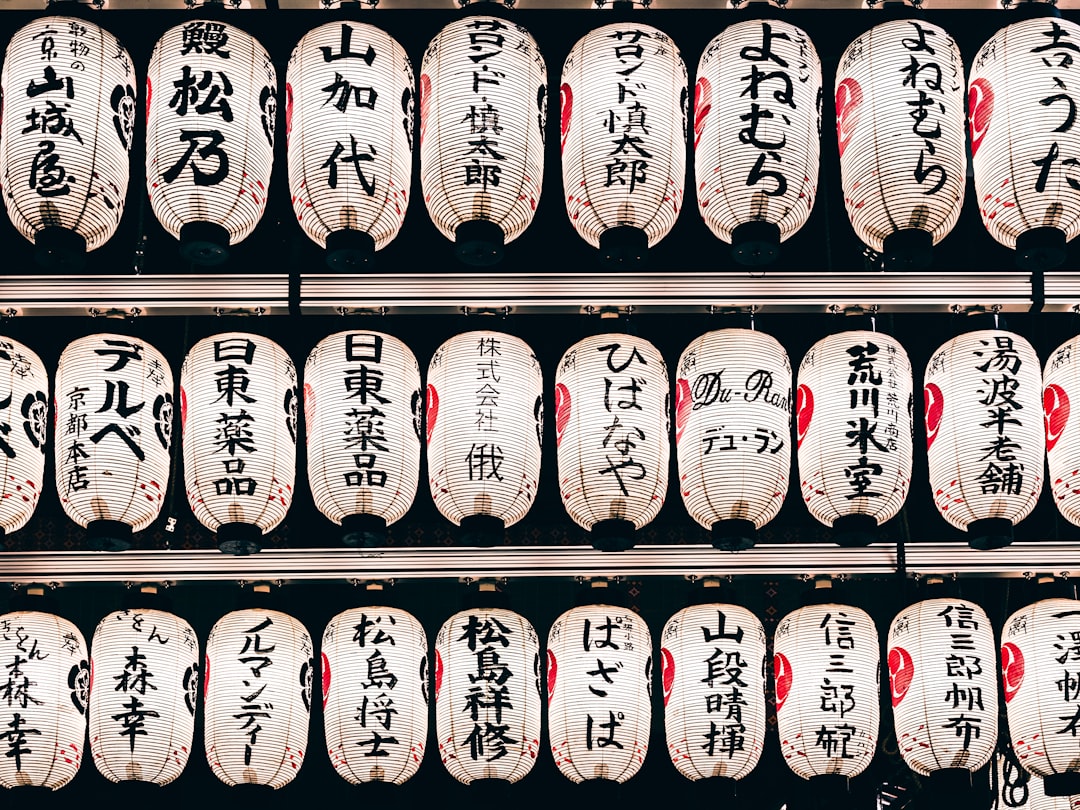
Photo by Marek Piwnicki on Unsplash








コメント