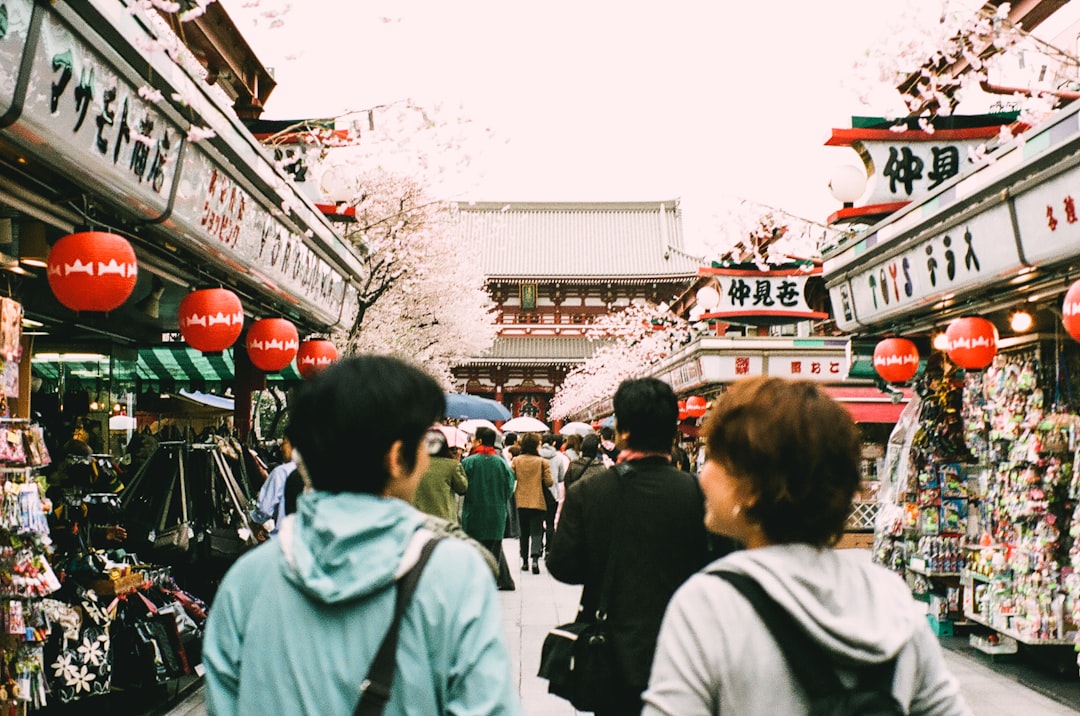
As a Japanese person who has worked with numerous foreign colleagues, I’ve seen many struggle to understand the true cost of living in Japan.
According to Japan’s Ministry of Health, Labour and Welfare (厚生労働省), foreign workers in Japan numbered 2.04 million in 2023, with many more expected to join the workforce in the coming years. The reality is, Japan’s cost of living can be higher than expected, with a typical monthly budget for a foreign worker ranging from ¥250,000 to ¥400,000 (around $2,300 to $3,700 USD) depending on the city and lifestyle.
Key Takeaways
- Average monthly rent in Tokyo is around ¥180,000 (around $1,600 USD) for a one-bedroom apartment
- Food expenses can range from ¥50,000 to ¥100,000 (around $450 to $900 USD) per month, depending on eating habits
- Transportation costs, including a monthly train pass, can be around ¥10,000 to ¥20,000 (around $90 to $180 USD)
I’ve onboarded over 30 foreign colleagues in my career. Almost every single one made the same mistake in their first month — and I never knew how to warn them until now. My colleague, Tuan, a software engineer from Hanoi, was shocked by the high cost of living in Tokyo. He had expected to save money, but found himself struggling to make ends meet. Similarly, Priya from Mumbai who joined our team last year, was surprised by the expensive food prices in Japan. She had to adjust her budget to accommodate the high cost of groceries and dining out.
As a Japanese person, I’ve noticed that many foreigners underestimate the cost of living in Japan. They often focus on the salary and benefits, without considering the expenses that come with living in a new country. Ramon from Cebu, who asked me about this just last week, was worried about the cost of transportation in Japan. He was surprised to learn that a monthly train pass can be around ¥10,000 to ¥20,000 (around $90 to $180 USD), depending on the route and frequency of use.
The insight that many Japanese people have, but outsiders don’t, is that the cost of living in Japan can vary greatly depending on the location. For example, the cost of living in Tokyo is significantly higher than in other cities like Osaka or Fukuoka. Additionally, many Japanese companies offer a allowance for housing and transportation, which can help offset the high costs. However, this allowance is often not enough to cover the full cost, and foreigners may need to budget extra for these expenses.

A Practical Guide
Here is a practical guide to help foreign workers plan their budget in Japan:
- Average monthly salary for a foreign worker in Japan: ¥300,000 to ¥600,000 (around $2,700 to $5,500 USD)
- Average monthly rent: ¥150,000 to ¥300,000 (around $1,400 to $2,700 USD)
- Food expenses: ¥50,000 to ¥100,000 (around $450 to $900 USD) per month
- Transportation costs: ¥10,000 to ¥20,000 (around $90 to $180 USD) per month
- Visa application fees: around ¥5,000 to ¥10,000 (around $45 to $90 USD)
My colleague, Ahmed from Cairo, was able to save money by finding a roommate and cooking most of his meals. He was also able to enjoy the many cultural events and festivals that Japan has to offer.
Frequently Asked Questions
Q: What is the average cost of living in Japan for a foreign worker?
A: The average cost of living in Japan for a foreign worker can range from ¥250,000 to ¥400,000 (around $2,300 to $3,700 USD) per month, depending on the city and lifestyle.
Q: How much does transportation cost in Japan?
A: Transportation costs in Japan can range from ¥10,000 to ¥20,000 (around $90 to $180 USD) per month, depending on the route and frequency of use.
Q: What is the average salary for a foreign worker in Japan?
A: The average salary for a foreign worker in Japan can range from ¥300,000 to ¥600,000 (around $2,700 to $5,500 USD) per month, depending on the industry and experience.
Want the full picture?
Paid subscribers get every week:
- The exact recruiter checklist Japanese companies use for foreign applicants
- Region-by-region salary tables updated monthly (Tokyo, Osaka, Nagoya, Fukuoka)
- Real visa application timelines from readers who just went through it
- My personal replies to your questions every Friday
Less than a cup of coffee per week. Join 500+ Asian professionals →
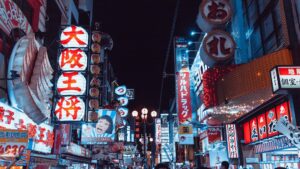
Photo by Kumiko SHIMIZU on Unsplash





コメント