I’ve worked in Japan’s business world long enough to know that the country’s strict visa rules are a double-edged sword. On one hand, they’re essential for maintaining a stable and safe work environment. On the other hand, they can be exploited by unscrupulous employers, leaving foreign workers vulnerable to deportation and financial ruin.
I’ve sat in meetings where Japanese managers discussed exactly how to push the limits of visa status to underpay foreign workers. I’m no longer staying quiet. It’s time to shed light on the warning signs that signal trouble, so you can avoid them.
Key Takeaways
* Japan’s visa rules are strict, and even minor infractions can lead to revocation and deportation
* Foreign workers on SSW, Technical Intern, and Engineer visas are particularly vulnerable to exploitation
* Verify your employer and contract before signing, and know your rights in case of a dispute
According to the Japanese Ministry of Justice, the most common reasons for visa revocation include working outside the scope of the visa, failing to report changes in employment or address, and overstaying the visa period.
The system that allows these traps to happen is complex and multifaceted. Japanese companies often use subcontractors and temporary agencies to hire foreign workers, which can lead to a lack of transparency and accountability. Additionally, the Japanese government’s emphasis on strict visa enforcement can create a culture of fear among foreign workers, making them less likely to speak out against exploitation.
The Red Flags
Here are 7 specific warning signs to watch out for:
- Low salary or no contract: If the salary is significantly lower than the industry average (e.g. 180,000 yen per month for an Engineer in Tokyo), or if there is no contract or a vague contract, it’s a major red flag.
- Unclear or changing job duties: If the job duties are unclear or keep changing, it may be a sign of exploitation.
- No health insurance or benefits: If the employer does not provide health insurance or benefits, it’s a red flag.
- Excessive overtime or unpaid work: If the employer expects excessive overtime or unpaid work, it’s a major red flag.
- Threats or intimidation: If the employer uses threats or intimidation to control workers, it’s a serious red flag.
- No visa sponsorship or support: If the employer does not provide visa sponsorship or support, it’s a red flag.
- Poor living conditions or dormitories: If the employer provides poor living conditions or dormitories, it’s a red flag.
To protect yourself, always research your employer and job thoroughly before signing a contract. Verify your employer’s registration and license with the Japanese government, and insist on a clear, written contract that includes salary, benefits, and job duties.
Frequently Asked Questions
Q: What should I do if I’m already working in Japan and I suspect my employer is exploiting me?
A: If you suspect your employer is exploiting you, report the issue to the immigration authorities and seek support from a labor union or advocacy group. You can also contact the Japanese government’s helpline for foreign workers at 0570-011000.
Q: Can I change employers while on a work visa in Japan?
A: Yes, you can change employers while on a work visa in Japan, but you must follow the proper procedures and obtain a new visa or permission from the immigration authorities. Consult with the immigration authorities or a qualified attorney to ensure a smooth transition.
Q: What are my rights as a foreign worker in Japan?
A: As a foreign worker in Japan, you have the right to fair compensation, safe working conditions, and equal treatment under the law. You also have the right to join a labor union and participate in collective bargaining. Familiarize yourself with Japanese labor laws and regulations to ensure your rights are protected.
Stay informed and stay safe. Join our newsletter to receive updates and reports from Japan, and to connect with our community of readers who share your concerns and experiences.
🚨 Get the latest reports and updates from Japan
Our paid subscribers receive:
- Weekly updates on visa rules and regulations in Japan
- Red flag database — agencies and companies reported by readers as dangerous
- Your rights in Japan — what to do if your employer breaks the law (in English)
- My personal replies to your questions every Friday
A cup of coffee per week. Protect yourself — join now →
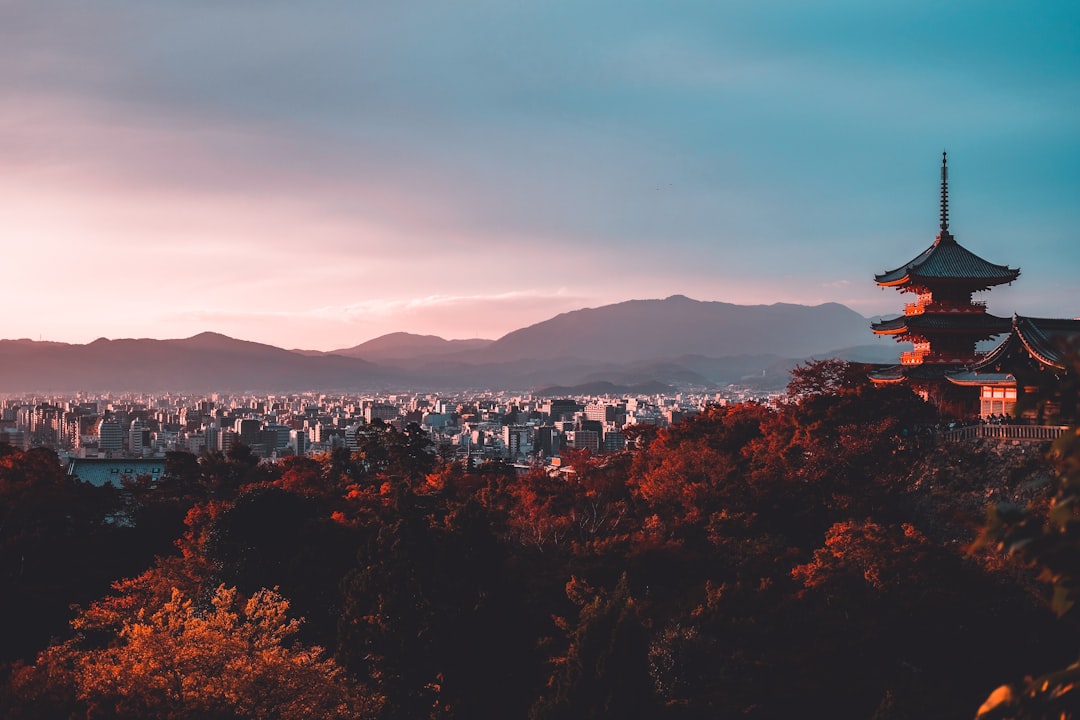
Photo by Su San Lee on Unsplash







コメント